African Union Reaffirms Commitment to Immunization and Health Equity During Africa Vaccination Week 2026

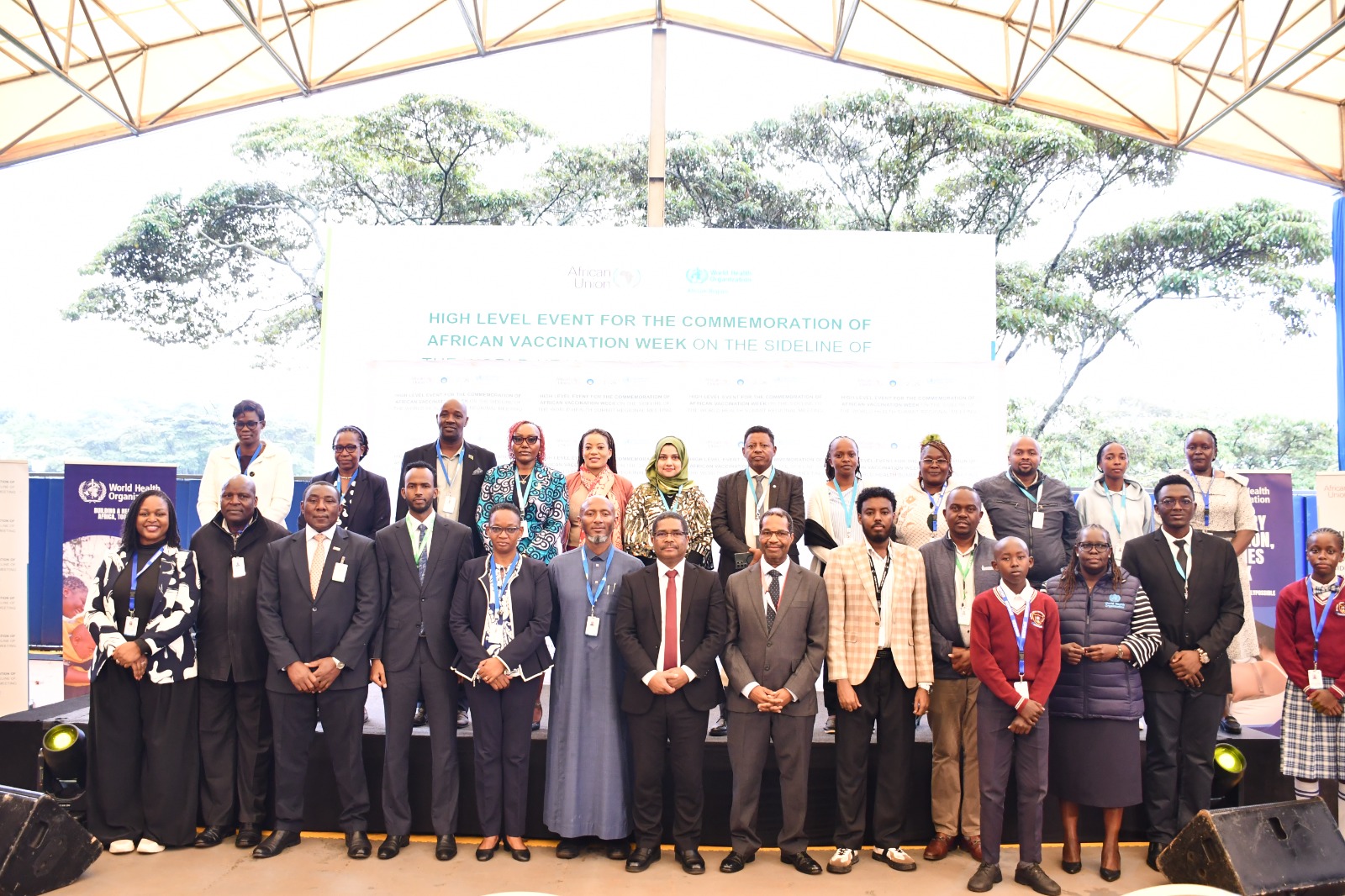
The African Union Commission, in collaboration with the Government of Kenya, the World Health Organization (WHO), UNICEF, Gavi, civil society organizations, and development partners, commemorated Africa Vaccination Week 2026 under the theme: “For Every Generation, Vaccines Work.”

The high-level gathering underscored the critical role of immunization as one of the most effective, equitable, and cost-efficient public health interventions for advancing Africa’s health security, strengthening primary health care systems, and accelerating progress toward Agenda 2063 and Universal Health Coverage.

Speakers emphasized that vaccines are not only a health investment but also a driver of economic resilience, productivity, and sustainable development. The meeting reaffirmed Africa’s commitment to the Addis Ababa Declaration on Immunization and the continent’s Five-Year Roadmap for Vaccine Equity and Local Manufacturing.

Representing H.E. Amb. Amma Adomaa Twum-Amoah, Commissioner for Health, Humanitarian Affairs and Social Development of the African Union Commission, Prof. Julio Rakotonirina, Director for Health and Humanitarian Affairs, highlighted that immunization remains central to Africa’s development agenda.

He noted that through Agenda 2063, the Africa Health Strategy, and the Addis Ababa Declaration on Immunization, African Union Member States have committed to:

  • Expanding universal access to immunization
  • Increasing domestic financing for vaccination programs
  • Strengthening delivery systems and surveillance
  • Advancing local vaccine manufacturing
  • Building resilient primary health care systems


Prof. Rakotonirina acknowledged the progress made across the continent through expanded immunization programs and partnerships with WHO, UNICEF, Gavi, Africa CDC, and the African Medicines Agency, while cautioning that inequitable access, vaccine hesitancy, and overreliance on external financing continue to threaten sustainability.

He called upon Member States and partners to prioritize:

  • Sustainable domestic investment in immunization
  • Integration of vaccination into strong primary health care systems
  • Community engagement and trust-building to improve vaccine uptake

Delivering remarks during the event, regional leaders from WHO and UNICEF stressed that immunization remains foundational to resilient health systems and equitable development.

UNICEF Regional Director for Eastern and Southern Africa, Etleva (Eva) Kadilli, emphasized that vaccines have saved more than 150 million lives globally over the past 50 years, yet millions of African children still miss essential vaccines each year. She highlighted the importance of:

  • Integrating immunization into primary health care
  • Using digital tools and data systems to identify zero-dose children
  • Investing in community health workers
  • Strengthening cold chain systems and supply chains
  • Expanding sustainable domestic financing


She noted that immunization equity is fundamentally linked to inclusion, governance, and strong community trust.

Representing the Government of Kenya, Dr. Salim Ali Hussein, the Head of the Division of Primary Health Care, reaffirmed Kenya’s commitment to universal immunization and equitable access to life-saving vaccines.

He highlighted that Kenya’s national immunization programme currently protects against 16 vaccine-preventable diseases through more than 8,000 health facilities nationwide, contributing significantly to reductions in child mortality.

Dr. Ali further emphasized Kenya’s ongoing reforms to:

  • Integrate immunization within primary health care and Universal Health Coverage
  • Expand outreach to underserved and mobile populations
  • Empower community health promoters
  • Strengthen local vaccine manufacturing and health system resilience


He stressed that immunization is a social contract between governments and citizens and a cornerstone for achieving equitable and inclusive development.

Civil society organizations also called for stronger investments in community engagement and trust-building to address vaccine hesitancy and misinformation.

Speaking on behalf of civil society organizations, Dr. Joseph Komwihangiro of Pathfinder International underscored that vaccine hesitancy is fundamentally a trust issue shaped by access, history, culture, and lived community experiences.

He called for:

  • Greater investment in frontline health workers
  • Long-term and flexible financing for community engagement
  • Inclusion of civil society organizations as co-partners
  • Community feedback to be treated as actionable data in policy and programme design


Participants further stressed the importance of strengthening Africa’s vaccine manufacturing capacity to reduce dependency on external supplies and improve continental health sovereignty.

The event concluded with renewed calls for African governments, partners, and stakeholders to intensify investments in immunization systems, reinforce accountability for continental commitments, and ensure that no child or community is left behind.

The commemoration reaffirmed that immunization remains central to Africa’s vision for a healthier, more resilient, and prosperous continent where every generation is protected.


For further information please contact: 

Mr. Derrick Ochuot | Strategic Communication Expert | Directorate of Health and Humanitarian Affairs | Health Systems, Diseases and Nutrition Division | African Union Commission | E-mail: OchuotD@africanunion.org | Addis Ababa, Ethiopia.

Information and Communication Directorate, African Union Commission I E-mail: DIC@africa-union.org I Web: au. int | Addis Ababa, Ethiopia | Follow Us: Facebook | Twitter | Instagram | YouTube

African Union Strengthens Continental Coordination for Reproductive, Maternal, Newborn, Child and Adolescent Health in Africa

The African Union Commission (AUC), through the Department of Health, Humanitarian Affairs and Social Development, convened the Second Meeting of the Technical Advisory Committee (TAC) for Reproductive, Maternal, Newborn, Child and Adolescent Health (RMNCAH) in Africa from 4-5 March 2026 in Nairobi, Kenya.

The meeting brought together representatives of African Union Member States, Regional Economic Communities (RECs), technical institutions, and development partners including WHO, UNICEF, UNFPA, and other stakeholders to strengthen continental coordination and accelerate action toward ending preventable maternal, newborn, child and adolescent deaths across Africa.

The Technical Advisory Committee, established under the African Union’s commitments on maternal, newborn and child health adopted during the 15th Ordinary Session of the AU Assembly in Kampala in 2010, serves as a continental technical body mandated to provide evidence-based guidance and strategic recommendations to the Specialized Technical Committee on Health, Nutrition, Population and Drug Control (STC-HNPDC).

Opening the meeting on behalf of H.E. Amb. Amma Adomaa Twum-Amoah, Commissioner for Health, Humanitarian Affairs and Social Development, Prof. Julio Rakotonirina, Director of Health and Humanitarian Affairs, underscored the urgency of accelerating progress in reducing maternal and child mortality across the continent.

He noted that despite measurable progress, Africa still accounts for approximately 70 percent of global maternal deaths, emphasizing that most maternal deaths remain preventable. He therefore called for:

  • Strengthened accountability mechanisms
  • Increased investment in primary health care
  • Improved utilization of data and digital systems
  • Enhanced multisectoral coordination
  • Sustained political leadership and financing for RMNCAH priorities


Prof. Rakotonirina further reaffirmed that the TAC remains central to shaping continental health policy and supporting implementation of Agenda 2063, the Africa Health Strategy 2016-2030, the Revised Maputo Plan of Action, and the CARMMA Plus Roadmap 2021–2030.

Delivering keynote remarks on behalf of Member States, Dr. Ananie Ndacayisaba of Burundi emphasized that while progress has been recorded in RMNCAH indicators, critical gaps remain in maternal and neonatal mortality, access to family planning, and addressing sexual and gender-based violence.

He stressed the importance of:

  • Strengthening integration of RMNCAH services within national health systems
  • Expanding adolescent and youth-friendly services
  • Enhancing research, innovation, and knowledge-sharing
  • Addressing geographic and socio-economic inequities
  • Ensuring vulnerable populations are represented in decision-making processes


Representing Regional Economic Communities, Ms. Ida Ameyovi Agbemavor of CEN-SAD reaffirmed the strategic role of RECs in advancing RMNCAH priorities and strengthening regional coordination. She highlighted ongoing initiatives to:

  • Improve health workforce capacity
  • Expand access to health services in rural and cross-border communities
  • Organize regional outreach and health caravans
  • Harmonize continental and regional RMNCAH strategies


Speaking on behalf of United Nations agencies, Dr. Janet Kayita of the World Health Organization reaffirmed the continued commitment of WHO, UNICEF, and UNFPA to supporting African Union Member States in advancing equitable access to integrated RMNCAH services.

She highlighted the urgency of accelerating implementation of the CARMMA Plus Roadmap 2021-2030 and welcomed the appointment of H.E. Dr. Samia Suluhu Hassan, President of the United Republic of Tanzania, as African Union Champion for Maternal and Child Health. Dr. Kayita further emphasized the importance of leveraging continental priorities on education, water and sanitation, and health systems strengthening to improve health outcomes for women, children, and adolescents.

A major highlight of the meeting was the presentation of progress and achievements under the CARMMA Plus Campaign between 2022 and 2025. Participants reviewed progress in:

  • Regional launches of the CARMMA Plus campaign
  • Strengthening collaboration with Regional Economic Communities
  • Revitalization of the CARMMA Plus digital platform
  • RMNCAH advocacy initiatives and continental campaigns
  • Integration of RMNCAH priorities into regional health strategies
  • Strengthening accountability and monitoring systems


The meeting also showcased the newly revitalized CARMMA Plus digital platform, presented by Mr. Derrick Oduck Ochuot, Strategic Communication Expert. The platform serves as a continental knowledge-sharing and communication hub for RMNCAH information, best practices, country progress updates, and advocacy resources. Future enhancements are expected to include:

  • A continental RMNCAH dashboard
  • Interactive country profiles
  • Online learning and certification modules
  • Digital knowledge management systems
  • Monitoring and accountability tools


During the meeting, members also reviewed and discussed the Terms of Reference of the TAC, emphasizing the need for:

  • Stronger inclusion of digital health and digitalization of services
  • Clearer operational modalities for leadership rotation
  • Enhanced engagement of civil society and faith-based organizations
  • Sustainable financing mechanisms for TAC activities
  • Greater harmonization of RMNCAH indicators and scorecards across Member States


The meeting further elected the leadership of the Technical Advisory Committee for a three-year term representing the five African Union regions:

  • Chair: Burundi (Central Africa)
  • 1st Vice Chair: Togo (West Africa)
  • 2nd Vice Chair: Seychelles (East Africa)
  • 3rd Vice Chair: Zimbabwe (Southern Africa)
  • Rapporteur: Morocco (North Africa)


Participants additionally developed and refined the TAC Workplan for 2026–2028, focusing on:

  • Development of a continental RMNCAH Status Report
  • Strengthening advocacy and accountability mechanisms
  • Establishment of an RMNCAH continental scorecard
  • Promotion of digital health and innovation
  • Resource mobilization and investment advocacy
  • Strengthening peer learning and South-South collaboration
  • Organizing continental RMNCAH review and accountability forums


The meeting concluded with renewed commitments by Member States, Regional Economic Communities, development partners, and the African Union Commission to strengthen collaboration and accelerate implementation of the CARMMA Plus Roadmap to ensure that no woman, child, or adolescent is left behind.

The African Union Commission reaffirmed that strengthened technical leadership, accountability, and coordinated continental action remain essential for achieving Africa’s health and development aspirations under Agenda 2063 and the Sustainable Development Goals.


For further information please contact: 

Mr. Derrick Ochuot | Strategic Communication Expert | Directorate of Health and Humanitarian Affairs | Health Systems, Diseases and Nutrition Division | African Union Commission | E-mail: OchuotD@africanunion.org | Addis Ababa, Ethiopia.

Information and Communication Directorate, African Union Commission I E-mail: DIC@africa-union.org I Web: au. int | Addis Ababa, Ethiopia | Follow Us: Facebook | Twitter | Instagram | YouTube

African Union Champions Digital Health Transformation to Accelerate Maternal and Child Survival in Africa

On the margins of the 39th Ordinary Session of the African Union Assembly, the African Union Commission convened a High-Level Side Event on Digital Health Technologies for Reproductive, Maternal, Newborn, Child, and Adolescent Health (RMNCAH) under the theme: “Strengthening Integrated WASH-RMNCAH Systems through Digital and Data-Driven Approaches to Advance the Maputo Plan of Action and CARMMA Plus.”

The event underscored Africa’s urgent need to accelerate progress in ending preventable maternal, newborn, and child deaths, leveraging digital transformation as a strategic enabler. Despite progress under the CARMMA Plus Campaign and the Maputo Plan of Action, Africa’s maternal mortality ratio remains unacceptably high at 442 deaths per 100,000 live births in 2023, accounting for nearly two-thirds of global maternal deaths

In her welcome remarks, H.E. Amb. Amma A. Twum-Amoah, Commissioner for Health, Humanitarian Affairs and Social Development, emphasized that digital health is no longer optional, but essential for strengthening primary health care systems, integrating WASH and RMNCAH services, and reinforcing accountability across Member States.

She highlighted that digital and interoperable systems can:

  • Enable real-time monitoring of maternal and newborn outcomes
  • Improve referral systems and emergency obstetric care
  • Strengthen supply chain management
  • Enhance accountability and transparency
  • Expand equitable access to underserved and last-mile communities

Represented by Hon. Mohamed Omary Mchengerwa, H.E. Samia Suluhu Hassan, President of the United Republic of Tanzania and Guest of Honour, reaffirmed Tanzania’s commitment to digital health transformation. Tanzania’s innovations, including digital maternal death reviews, telemedicine, and the M-Mama emergency referral platform, were highlighted as practical examples of technology-guided health system strengthening

Representing the Director General of Africa Centres for Disease Control and Prevention, Dr. Landry Dongmo Tsague described maternal mortality as a “silent emergency,” noting that preventable maternal deaths remain a moral and public health failure. He reaffirmed Africa CDC’s Health Security and Sovereignty agenda, emphasizing digital transformation and the flagship “Sovereign Data for Health” initiative as central pillars for building resilient health systems.

Ms. Alison Barker, UNICEF Deputy Regional Director for Eastern and Southern Africa, called for digital transformation to be anchored in resilient, sustainably financed primary health care systems, ensuring equity for vulnerable and last-mile populations.

Dr. Hanan Balkhy of the World Health Organization and Ms. Diene Keita of the United Nations Population Fund stressed that digital technologies can strengthen integrated WASH-RMNCAH systems, support frontline health workers, and improve data-driven decision-making, particularly in fragile and humanitarian settings.

Delivering a powerful keynote address, H.E. Dr. Fatima Maada Bio, President of the Organization of African First Ladies for Development, underscored that maternal health is fundamentally about dignity and justice. She emphasized that digital tools must protect privacy, strengthen inclusion, and reflect the lived realities of women and adolescent girls.

A major highlight of the event was the official launch of the CARMMA Plus Campaign website, a continental digital hub designed to:

  • Showcase Member State commitments and innovations
  • Enable progress tracking and accountability
  • Strengthen knowledge sharing and partnerships
  • Promote data-driven decision-making

The platform operationalizes the Campaign’s Accountability Partnership Framework and aligns with the African Union Digital Health Strategy 2024–2030.

Ministers and representatives from Ethiopia, the Democratic Republic of Congo, Tanzania, and Zambia shared national experiences demonstrating how digital tools are improving high-risk pregnancy detection, referral systems, telemedicine services, supply chain monitoring, and immunization outreach

The panel discussion featured transformative innovations including:

  • Africa CDC’s PHC digitalization and e-Birth notification systems
  • Pathfinder’s GEO-ST4R geospatial decision-support platform
  • SAMASHA’s Motion Tracker for maternal and newborn accountability
  • Laerdal Global Health’s Safer Births Bundle of Care
  • Yene Health’s youth-centered and SMS-enabled reproductive health platforms

Speakers emphasized that digital health must move beyond applications to interoperable systems that connect policy, financing, service delivery, WASH standards, and measurable results.

In his closing remarks, Prof. Julio Rakotonirina, Director for Health, Humanitarian Affairs and Social Development, called upon Member States to:

  • Expand digital infrastructure in underserved areas
  • Strengthen interoperability and break sectoral silos
  • Invest in local digital innovation and workforce capacity
  • Mobilize domestic resources to finance sustainable digital health systems

He emphasized that CARMMA Plus must be resourced as a Member State-driven accountability compact and that digital transformation must translate into measurable lives saved

The High-Level Side Event reaffirmed Africa’s collective commitment to harnessing digital transformation as a catalytic driver to advance the Maputo Plan of Action, accelerate the CARMMA Plus Campaign, and achieve Agenda 2063 aspirations for women, children, and adolescents.


For further information please contact: 

Mr. Derrick Ochuot | Strategic Communication Expert | Directorate of Health and Humanitarian Affairs | Health Systems, Diseases and Nutrition Division | African Union Commission | E-mail: OchuotD@africanunion.org | Addis Ababa, Ethiopia.

Africa Launches Country Profiles for Early Childhood Development Countdown to 2030

“Tracking progress, investing early: Advancing Early Childhood Development in Africa through evidence, data, and action”

Durban, South Africa, 23rd October 2025 – The Africa Early Childhood Network (AfECN), UNICEF, WHO, ECDAN, and partners, in collaboration with the African Union Commission, successfully launched the Africa Country Profiles for Early Childhood Development (ECD) Countdown to 2030 during CPHIA 2025 under track 6 entitled: Women and youth in Africa: Driving health and innovation. This high-level launch brought together leading experts, policymakers, and development partners to highlight data-driven strategies and investments that can transform early childhood outcomes by fostering stronger multi-sectoral action while sensitizing the AU Member States, partners, and stakeholders to the importance of data-driven, innovative regional approaches for tracking and accelerating progress in early childhood development across the continent.

The session opened with welcoming remarks from Prof. Linda Richter, Board Member of the Africa Early Childhood Network, followed by statements from Ms. Etleva Kadilli, UNICEF Regional Director for Eastern and Southern Africa, and Dr. Tajudeen Raji, Deputy Director General of the Africa Centres for Disease Control and Prevention (Africa CDC).

Prof. Richter also presented the Global and Regional Overview on Early Childhood Development, setting the stage for the presentation of the Africa Country Profiles for ECD by Ms. Juliana Seleti, Regional Coordinator of AfECN. The profiles provide a comprehensive, country-specific snapshot of progress toward the Nurturing Care Framework and the Sustainable Development Goals, serving as a key accountability and planning tool for governments and partners.

Highlighting the critical role of research in shaping action, Prof. Mark Tomlinson, Professor of Maternal and Child Health at Stellenbosch University, presented on “From Science to Action”, emphasizing how evidence must inform policy and practice to strengthen systems that support young children and their caregivers.

A dynamic panel discussion followed under the theme “From Data to Systems Strengthening”. Dr. Lesley Bamford, Acting Chief Director for Child and Maternal Health at the South African Department of Health, shared how data on young children has guided South Africa’s national strategies to improve child survival and development. Mr. Ben Hewitt, Global Lead for the Act For Early Years campaign, spoke about how civil society can leverage the ECD Country Profiles to advocate for increased accountability and financing for early childhood programs.

In her closing remarks, Ms. Etleva Kadilli officially launched the Africa Country Profiles for Early Childhood Development Countdown to 2030, reaffirming UNICEF’s continued partnership with the African Union and regional stakeholders to ensure that every child in Africa has the opportunity to reach their full potential.

“These profiles provide an essential tool for governments to track progress, identify gaps, and align investments toward ensuring that every child in Africa survives, thrives, and achieve their full potential,” said Ms. Kadilli.

The launch marks a significant milestone in advancing Africa’s commitments under the Agenda 2063 and the Africa Health Strategy 2016–2030, reinforcing the continent’s dedication to nurturing human capital from the earliest years of life.

For more information, contact:

Derrick Oduck Ochuot | Strategic Communication Expert | African Union Commission | E-mail: OchuotD@africanunion.org

Gavi Welcomes Renewed Commitments to Health Equity & Security Made at TICAD9

  • Prime Minister of Japan H.E. Shigeru Ishiba announces Japan’s contribution of up to US$ 550 million to Gavi’s next strategic period at TICAD9
  • Gavi and the African Union Commission renew commitment to advance universal health coverage and health security in Africa through immunisation, innovation, and co-created solutions
  • Dr Sania Nishtar, CEO of Gavi: “We are deeply grateful to our host the Government of Japan for the announcement of their pledge in support of Gavi’s next strategic period. Through our ambitious Gavi Leap agenda we are working hard to ensure country ownership and countries’ priorities are at the heart of strategy and decision making, and I thank the African Union Commission and Japan for their on-going partnership.”

Geneva/Yokohama, 26 August 2025 – Gavi, the Vaccine Alliance welcomed renewed commitments to health equity in Africa made at the Ninth Tokyo International Conference on African Development (TICAD9), held in Yokohama from 20–22 August 2025, which demonstrated Japan’s strong commitment to co-creating innovative solutions for Africa’s health equity.

Japan announces renewed commitment to Gavi 6.0
At the Opening Session of TICAD9, H.E. Shigeru Ishiba, Prime Minister of Japan announced Japan’s commitment to Gavi, noting: “We will support Africa’s vaccine supply through contributions of up to $550 million over the next five years to Gavi, the Vaccine Alliance.”

This contribution to Gavi’s next strategic period from 2026 to 2030 (Gavi 6.0), underscores Japan’s unwavering leadership in global health as well as its dedication to advancing vaccine delivery and health equity on the African continent through co-created solutions. It also underscores the importance of health in relation to national and global security. With 80% of Gavi’s investments directed to Africa, Japan’s support will be pivotal in helping Gavi achieve its goal of protecting more children against more diseases, faster than ever before by 2030, when Japan will host the G7 presidency.

Gavi, AUC and Japan partner towards health equity and security
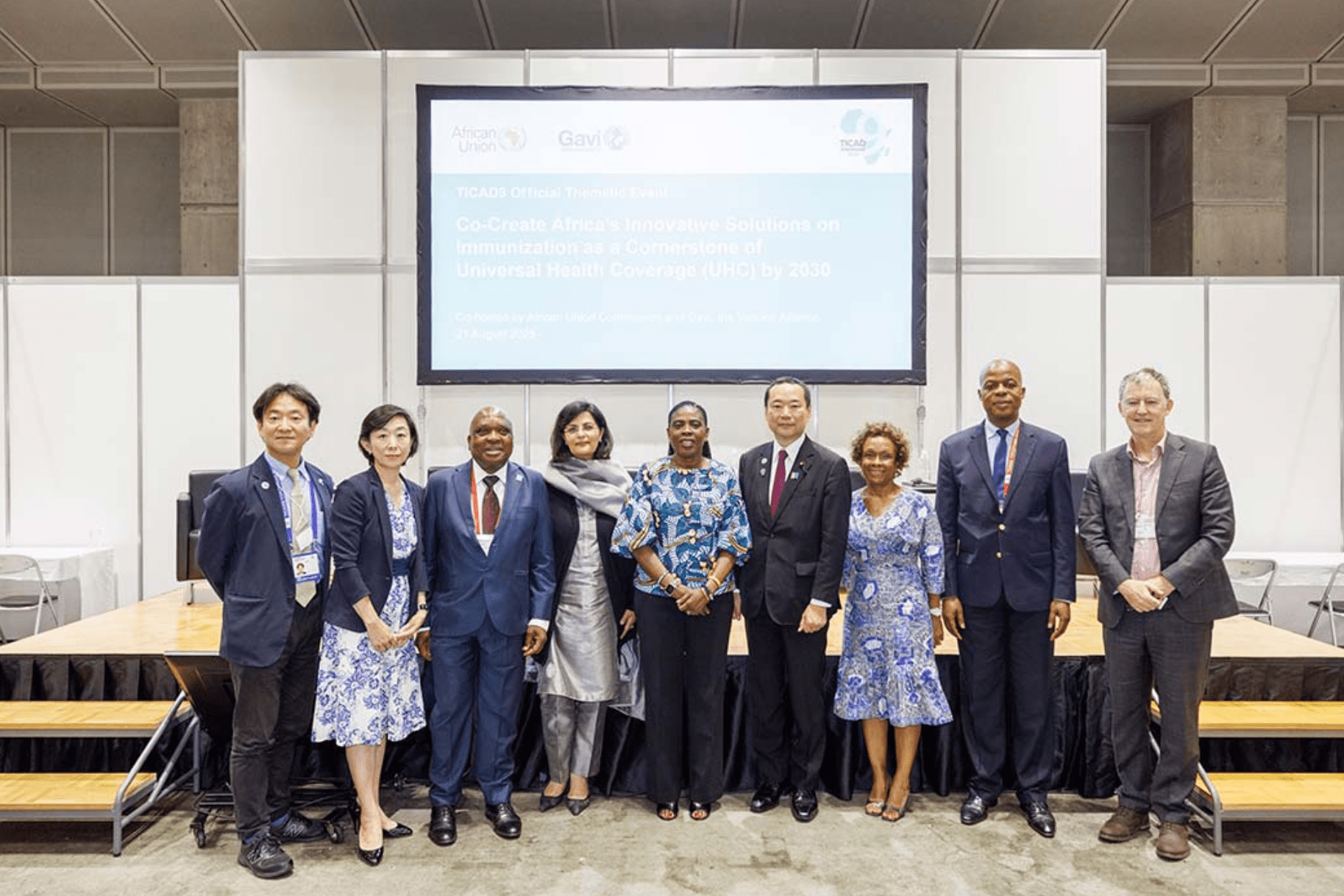
Gavi and the African Union Commission (AUC) also convened a TICAD9 Official Thematic Event titled “Co-creating Africa’s Innovative Solutions on Immunization as a Cornerstone of Universal Health Coverage (UHC) by 2030.” The event focused on advancing immunisation, scaling up domestic health financing, and building sustainable vaccine manufacturing capacity on the African continent. Building on the Addis Ababa Declaration on Immunization (ADI), participants stressed that the centrality of Africa’s leadership in health development was critical to progress and impact – issuing a call for stronger political and financial ownership by African governments, and for multilateral and bilateral partners to meaningfully support these efforts. The co-hosts also agreed to build on the strategic momentum created by Gavi’s African Vaccine Manufacturing Accelerator (AVMA), which is backed by a contribution of US$ 30 million from Japan, and collaborate in support of the AU’s vision for regional manufacturing.

“Africa’s purpose is to protect every child, nurture every community and secure the wellbeing of generations to come,” said H.E. Amb. Amma Twum-Amoah, Commissioner for Health, Humanitarian Affairs and Social Development, African Union Commission. “This can be achieved through longstanding partnership and steadfast commitment towards health equity and access to immunisation. Gavi, the Vaccine Alliance and the Government of Japan have made clear commitment to such a foundation on Universal Health Coverage.”

Noting the remarkable progress made across the African region – which has successfully raised immunisation coverage to pre-COVID-19 pandemic levels despite an increasing birth cohort – partners agreed that continued efforts to reach unimmunised children across the African continent, particularly the 8.3 million “zero-dose” children who have yet to receive a basic vaccine, will be critical. Investing in strengthening country-led health systems and innovative finance approaches such as debt buy-downs will also be important to sustaining immunisation progress and strengthening health security.

“The progress made so far is a testament to steadfast political and financial commitment from countries and donors, who have continued to prioritise immunisation as one of the best investments to be made in health, development and security. We are deeply grateful to our host the Government of Japan for the announcement of their pledge in support of Gavi’s next strategic period,” said Dr Sania Nishtar, CEO of Gavi. “Through our ambitious Gavi Leap agenda we are working hard to ensure country ownership and countries’ priorities are at the heart of strategy and decision making, and I thank the African Union Commission and Japan for their on-going partnership.”

Since 2000, more than 469 million children have been immunised – with more than 12 million deaths averted – through the strong partnership between Gavi and African governments. Through its innovative co-financing model Gavi focuses on country ownership and self-sufficiency, with countries implementing Gavi programmes contributing record amounts towards their own immunisation programmes. Through steadily increased domestic financing of vaccine programmes combined with Gavi investments in health systems, countries are eventually able to self-finance immunisation. During Gavi’s next strategic period (2026–2030), and as part of a transformative agenda to further place countries in the driver’s seat called the Gavi Leap, the organisation will leverage new ways of working – from partnerships to technologies and innovative financing – to strengthen health systems and improve delivery at the last mile.

All participants emphasised that co-creating innovative financial and technological solutions to build health systems that leave no one behind – and can detect, respond, contain and remain resilient in the face of infectious disease threats – is critical to Africa’s health development as well as global health security. For example, participants highlighted innovations introduced in Africa that could be leveraged to address challenges Japan currently faces, with Gavi serving as a critical connector between partners. The Government of Japan has taken a leading role in promoting universal health coverage (UHC) and human security as the overarching approach for attaining Sustainable Development Goal 3, including as a key Gavi donor and AUC partner.

“I had the opportunity to visit an operation site of Gavi in Ghana last year and realised that support for Africa’s health sector has a potential to improve lives and to drive societal change,” said H.E. Hisayuki Fujii, State Minister of Foreign Affairs, Japan. “As the Prime Minister Ishiba announced at the Opening Session of TICAD 9, Japan will contribute up to $550 million to Gavi for the next five years. We are proud to strongly support Gavi in ensuring the success of its next strategic plan.”

Sierra Leone Leads Regional Push to Close Immunization Gaps During African Vaccination Week 2025

“Immunisation for All is Humanly Possible.”

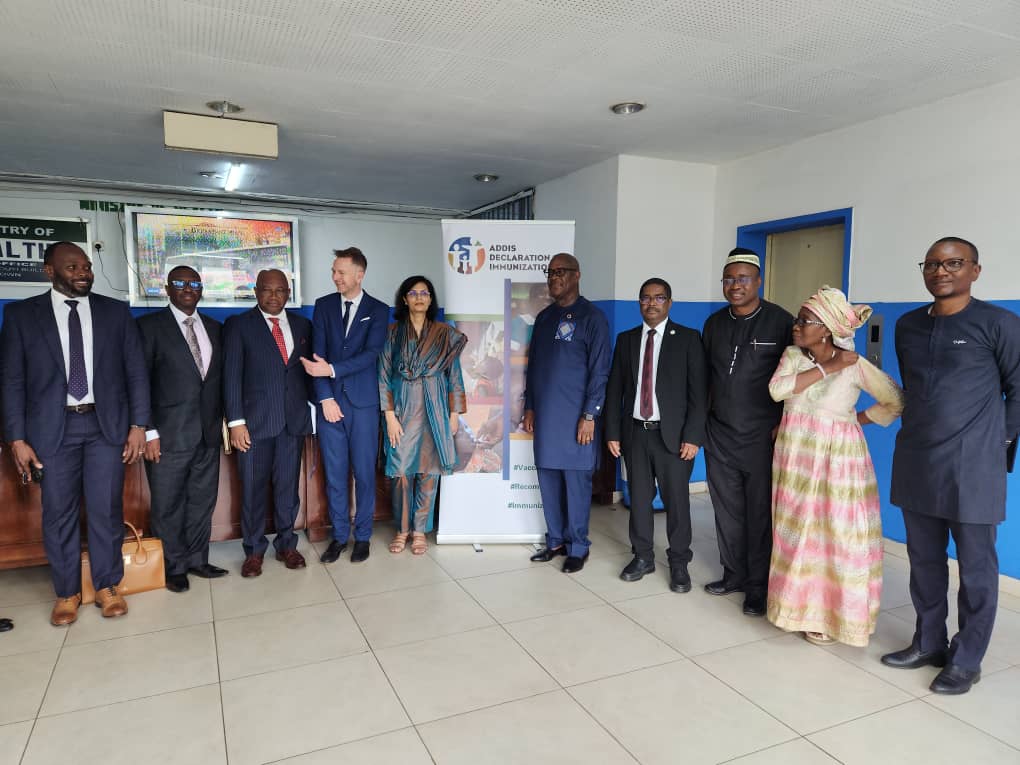
Freetown, 2 May 2025 – The Government of Sierra Leone, in collaboration with the African Union Commission (AUC), Gavi – the Vaccine Alliance, Africa CDC, World Health Organization (WHO) and UNICEF,  and a broad coalition of health partners, commemorated African Vaccination Week (AVW) 2025 under the compelling theme: “Immunisation for All is Humanly Possible.”

Sierra Leone, which continues to demonstrate strong leadership in public health, has achieved over 90% coverage with the third dose of the diphtheria-tetanus-pertussis vaccine (DTP3), a benchmark for immunization system performance.

From 24 April –  02 May 2025, Sierra Leone joined other African countries in marking the 15th edition of AVW, an initiative led by WHO to promote vaccination as a basic human right and an essential tool to prevent disease and save lives. The campaign culminated in a High-Level Event in Freetown hosted by Vice President Mohamed Juldeh Jalloh and Health Minister Dr. Austin Demby, alongside senior officials from the AUC, WHO, UNICEF, and Gavi.

Across Africa, millions of children remain unvaccinated, largely due to systemic inequities and disruptions caused by the COVID-19 pandemic. In response, the ‘Big Catch-Up’ initiative has vaccinated over 5 million previously unreached African children since its launch in 2023, with DTP3 coverage in the region increasing from 72% to 74%.

Speaking at the event, Professor Julio Rakotonirina, Director for Health and Humanitarian Affairs at the African Union Commission, underscored the significance of collective action:

“This year’s Africa Vaccination Week reminds us that saving lives through immunization is not only possible — it is our responsibility. A self-reliant Africa where every country has the capacity to produce, deliver, and equitably distribute vaccines is not only humanly possible — it is non-negotiable.”

He reiterated the African Union’s commitment to the Addis Declaration on Immunization, Agenda 2063, and CARMMA Plus (2021–2030)– continental frameworks that position immunization at the heart of health equity, resilience, and sustainable development.

“Immunization is a key investment in human capital and poverty reduction,” he added. “As we work together with partners and governments, our mission is clear: reach the zero-dose child, close the immunization gap, and build resilient health systems that leave no one behind.”

Minister of Health, Dr. Austin Demby, emphasized Sierra Leone’s progress and ambition:

“Immunisation is a cornerstone of our public health system. We are committed to ensuring that no child in Sierra Leone is left behind. Together, we can protect every life, because immunisation for all is humanly possible.”

UNICEF Representative Rudolf Schwenk stated:

“Vaccines are one of the most effective ways to give every child a fair chance at a healthy future. UNICEF is proud to work with the Government of Sierra Leone and partners to ensure no child is left behind.”

Gavi CEO Dr. Sania Nishtar applauded Sierra Leone’s leadership:

“Sierra Leone has maintained progress on routine immunization even while introducing new vaccines and responding to disease outbreaks. Gavi is committed to this partnership, helping to protect more children and support the country’s sustainable development.”

With over US$200 million in Gavi support since 2001, Sierra Leone has expanded its routine immunization program to include vaccines against rotavirus, pneumococcal disease, HPV, polio, measles, rubella, yellow fever, cholera, and malaria. The country has also launched successful preventive Ebola and mpox vaccination campaigns.

WHO Representative Dr. George Ameh reaffirmed:

“This African Vaccination Week, we reaffirm our commitment to working alongside the Government and partners to ensure that every person in Sierra Leone, regardless of where they live, has access to these life-saving interventions.”

During African Vaccination Week, Sierra Leone:

  • Conducted outreach campaigns and mobile vaccination drives to reach underserved areas and hard-to-reach populations.
  • Supported catch-up vaccination initiatives to ensure children and adolescents receive missed doses.
  • Engaged parents, caregivers, traditional leaders, and health workers through public education and community mobilization to strengthen vaccine awareness.
  • Promoted vaccine confidence and tackled misinformation to ensure informed decision-making across communities.

With continued partner support, Sierra Leone is investing in cold chain infrastructure, health worker training, and solarization of health facilities, strengthening its capacity to deliver vaccines and improve health outcomes nationwide.

Together, we will ensure that every person in Africa, no matter where they live- has access to the vaccines they need to survive and thrive. Immunisation for all is not just a goal; it is Humanly Possible.

The African Union Commission, the Africa Centres for Disease Prevention and Control, GAVI, the Vaccine Alliance, The United Nations Children’s Fund and the World Health Organisation join the rest of the continent to mark the African Vaccination Week.

Addis Ababa, Ethiopia –  From 24-30 April 2024, the African continent commenced the commemoration of the  African Vaccination Week (AVW), which brings yearly celebrations the last week of April.

This year’s commemoration coincides with the celebration of 50 years of the Expanded Programme on Immunization (EPI), marking collective efforts to save and improve countless lives from vaccine-preventable diseases. It calls on countries to increase investments in immunization programs to protect future generations. There has been significant progress across the continent with increased vaccination rates and reduced child mortality, enabling every vaccinated child to survive and thrive.

This year’s Africa Vaccination Week creates an opportunity to raise awareness of the importance of vaccines and promote vaccination across the life course, reducing mortality due to vaccine-preventable diseases. The theme for this year, “Humanly Possible: Saving Lives Through Immunization”, highlights the need to intensify efforts to save lives through immunization. This can be done through routine immunization programmes and catch-up vaccination campaigns in the continent.

To scale up and bring the continent back on track to achieve Agenda 2063 and SDG2030 goals, heightened political commitment and multi-stakeholder collaboration to reach underserved communities is urgent. In 2016, the Heads of State and Governments of African Union Member States endorsed the Addis Ababa Declaration on Immunization (Assembly/AU/Dec.624 (XXVIII), prioritizing access to safe and effective vaccines. Subsequently, in 2017, The African Union Heads of State and Government called on Member States to mount strong advocacy campaigns to achieve the goals of the Global Vaccine Action Plan and improve overall healthcare delivery systems.

Increased investments in primary health care will bring services closer to communities, making it easier to reach the marginalized. Investing in human resources for health, surveillance and improvements in health information systems is also critical. Multi-stakeholder collaborations to deal with misinformation and build 

and sustain community demand while addressing gender barriers will increase coverage, prevent diseases, and save lives.

The African Union Commission, Africa CDC, GAVI, the Vaccine Alliance, UNICEF, and WHO applaud efforts by African Member States in promoting access to vaccination at various levels of care and continue to encourage scaling up routine immunization services on the continent.

The African Union and the aforementioned partners will continue to support the Member States in raising awareness of the importance of vaccines and immunization and call on other stakeholders to continue supporting and prioritizing vaccination in Member States. It is critical to work collaboratively with Member States, partners, stakeholders, donors, and other entities to ensure that vaccination programs are adequately financed and resourced in all countries. And promote innovative initiatives that enhance access to and support for vaccines, thereby contributing to the overall goal of saving lives through immunization.

This year the African Union Commission, Africa CDC, GAVI, the Vaccine Alliance, UNICEF and WHO want to reiterate the importance of immunization and the achievements of yearly Vaccination Week in raising awareness about immunization and encouraging participation while jointly holding a high-level event in commemoration of the achievements of AU Member States in immunization linking it to the 50th anniversary of the Expanded Programme on Immunization (EPI) in 2024 and launch an African progress report on the 10 commitments of the Addis Ababa Declaration on Immunization. Social media campaigns towards the year will also be aimed at raising awareness about immunization and encouraging participation.

These activities will:

  1. Raise awareness about the importance of immunization in saving lives and achieving health goals.
  2. Emphasize the commitment of African Member States to prioritize immunization and ensure adequate resources for vaccination programs.
  3. Highlight the achievements and challenges in immunization over the past 50 years and the way forward.
  4. Promote collaboration and partnerships for advancing immunization efforts across Africa.

East Africa Community Launch CARMMA PLUS: Re-Strengthened Campaign On Accelerated Reduction Of Maternal Mortality In Africa (CARMMA PLUS 2021-2030)

Dar es Salaam, Tanzania, 11 March 2024 – The African Union Commission through the Department of Health, Humanitarian Affairs, and Social Development in coordination with the East Africa Community launches the CARMMA plus campaign to provide an opportunity for the East Africa Regional Economic Communities (RECs) to convene stakeholders and galvanize their countries ownership and leadership as well as technical and financial support to the campaign. The launch is taking place alongside the Eastern Africa Regional Early Childhood Conference scheduled from 11-14 March 2024 in the United Republic of Tanzania under the theme: “Investing in early childhood: Building Human Capital along life course.” 

This launch intends primarily to advocate for ongoing improved reproductive health for women, children, and adolescents by 2030 within all EAC partner States. Specifically, to:

  1. Sensitize stakeholders on the Agenda of CARMMA Plus and galvanize East Africa Community region ownership and leadership to enforce accountability. 
  2. Generate sustained momentum for stakeholders’ efforts in the EAC region and emphasize their contributions to Reproductive Maternal, Newborn/Neonatal ,Child and Adolescent (RMNCAH) and to improve reproductive health outcomes for women, children, and adolescents by 2030.
  3. Strengthen coordination mechanisms between the Ministry of Health in the EAC region. 
  4. Encourage scaled-up investments through increased domestic resources for RMNCAH by sharing experiences and best practices from EAC Partner States.

The campaign on accelerated reduction of maternal mortality in Africa (CARMMA) was first launched in May 2009. It is an initiative of the African Union Commission (AUC) that aimed at  curbing  high pregnancy-related deaths, promote and advocate for renewed and intensified implementation of the 2006 Maputo Plan of Action (MPoA) to reduce maternal, newborn, and child mortality by improving health outcomes for African women and children. It was designed to use policy dialogue, advocacy, and community mobilization to enlist political commitment and increase resources and societal change in support of Maternal, Newborn, and Child Health (MNCH). 

In 2019, the African Union Commission evaluated the CARMMA campaign to determine its relevance, appropriateness, effectiveness, efficiency, impact, and sustainability. The evaluation revealed that African Union Member States that embraced the campaign at the highest political levels made significant improvements in their Reproductive, Maternal, Newborn, Child, and Adolescent Health (RMNCAH) indicators. The overall analysis of the campaign from its evaluation indicated that CARMMA is still relevant in Africa.

The Commission through the Department of Health, Humanitarian Affairs, and Social Development developed a new roadmap and its accountability partnership framework for re-strengthening the campaign, which has been endorsed by the AU Policy Organs in 2022. The next phase of implementation of the CARMMA Plus 2021 -2030 focuses on the unfinished Millennium Development Goals (MDGs) health agenda for women, new-borns, children, and adolescents that birth the “Plus to CARMMA” to be entitled CARMMA Plus taking into account Africa’s transformative Agenda 2063, the global Sustainable Development Goals (SDGs), the revised African Health Strategy 2016-2030, and the revised Maputo Plan of Action (2016-2030) for women and children as well as the AU continental Strategy on education for health and wellbeing of young people.

The CARMMA Plus campaign will focus on four key objectives: 1. broaden and strengthen accountability partnerships for RMNCAH, 2. enhance leadership and governance for RMNCAH policies and quality of services, 3. improve SRHR outcomes for adolescents through increased access to information, and services, and 4. finally strengthen knowledge management and learning systems.

Africa Reaffirms Commitment to Immunization to Strengthen Health Systems and Ensure Universal Vaccine Access

“Advancing Universal Vaccine Access: A Renewed Call for Political and Financial Commitment to Immunization Across Africa”

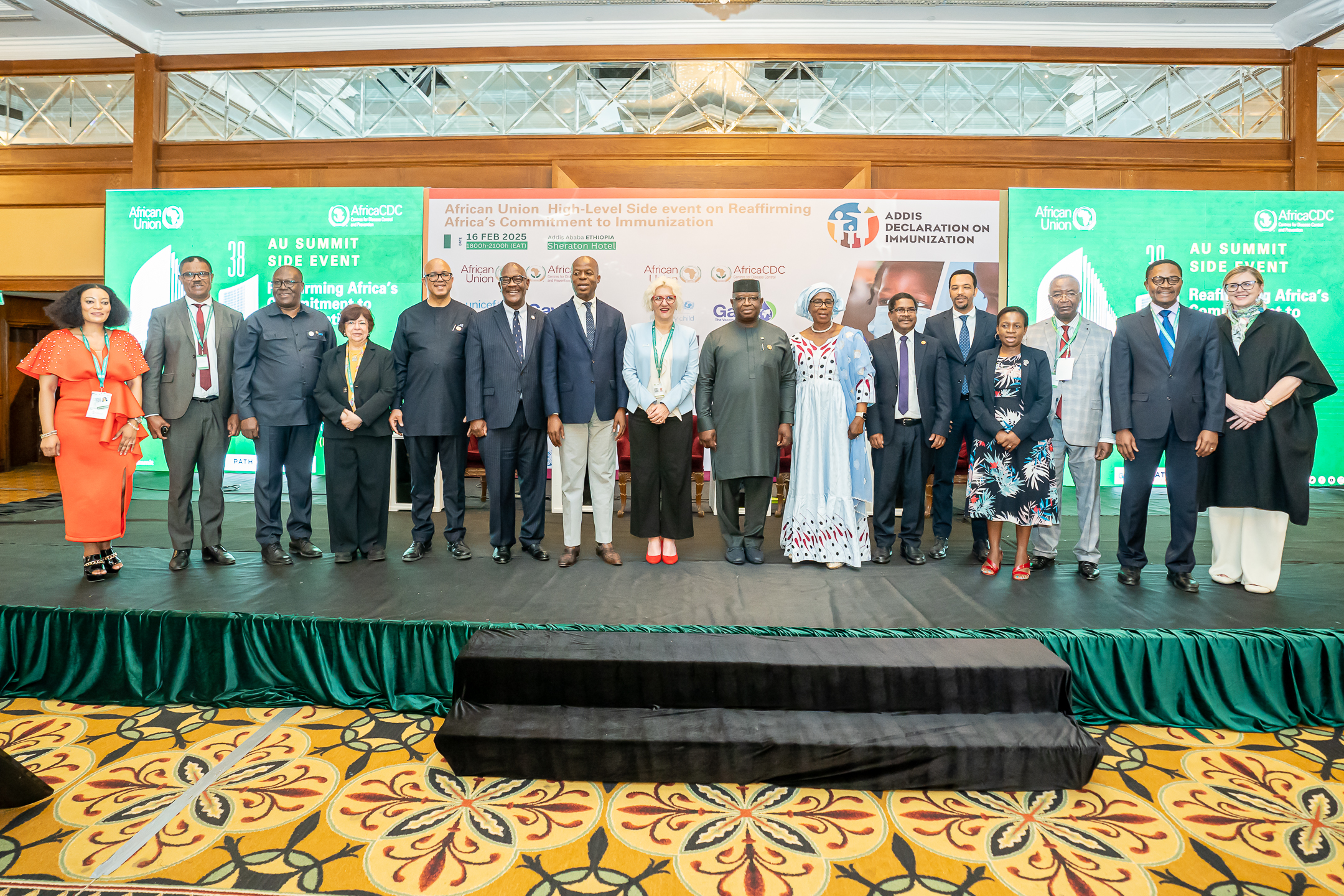
Addis Ababa, Ethiopia – February 16, 2025 – The African Union Commission (AUC), in collaboration with the Republic of Sierra Leone, Africa Centres for Disease Control and prevention( Africa CDC), UNICEF, GAVI, Global Health Strategies, PATH, WHO  and other key global health partners, successfully convened a High-Level Side Event on Immunization under the theme “Reaffirming Africa’s Commitment to Immunization: A Call for Action to Strengthen Health Systems.” The event was held on the margins of the 38th Ordinary Session of the Assembly of the Heads of State and Government of the African Union at the Sheraton Hotel in Addis Ababa, Ethiopia.

The event provided a strategic platform to reflect on the progress of the Addis Ababa Declaration on Immunization (ADI), endorsed by the 28th Assembly of the AU Heads of states  in 2017(Assembly/AU/Dec.624(XXVIII). Leaders assessed the advancements made across Africa in achieving universal immunization coverage and discussed the challenges hindering vaccine access, particularly in vulnerable communities. The gathering also marked the presentation of the final ADI Progress Report (2017-2022), reinforcing the necessity for sustained political and financial commitments towards immunization programs.

Key Highlights

  • Reaffirming Political Will: His Excellency Julius Maada Bio, President of the Republic of Sierra Leone, underscored that immunization is fundamental to national security and economic resilience. He called on African leaders to move beyond commitments and take decisive action in strengthening vaccine accessibility across the continent.
  • Call for Increased Domestic Investments: The Africa Centres for Disease Control and Prevention (Africa CDC) emphasized the importance of prioritizing local vaccine production and research to reduce reliance on external sources. The African Vaccine Manufacturing Accelerator (AVMA), launched in June 2024, was highlighted as a major initiative to bolster Africa’s self-sufficiency in vaccine production.
  • Strengthening Partnerships: Representatives from WHO, UNICEF, Gavi, PATH, and other global health partners reaffirmed their commitment to supporting African governments in improving immunization coverage, addressing funding gaps, and combating vaccine-preventable diseases.
  • Addressing Zero-Dose Children: While significant progress has been made, 6.7 million African children remain unvaccinated. There is an urgency of reaching these zero-dose children to ensure no child is left behind in Africa’s immunisation leadership efforts quoted by Ms. Etleve Kadili and other Leaders emphasized that
  • Immunization remains a core strategy to prevent infectious diseases and to improve childhood survival.
  • Commitment to Universal Immunization: Dr. Chikwe Ihekweazu, Acting Director of the WHO for the Africa Region, stressed that investing in immunization is not only a health imperative but also a catalyst for economic development, preventing millions of deaths annually and reducing healthcare costs.

Call to Action

The event concluded with a strong Call to Action, urging African Heads of State, Ministers of Health, Finance, and Development Partners to:

  • Prioritize immunization as a cornerstone of Africa’s Agenda 2063 and ensure sustainable domestic financing for vaccine programs.
  • Strengthen regional vaccine manufacturing capacities to enhance supply chain resilience and self-reliance.
  • Implement innovative strategies to reach underserved populations, including refugees and remote communities.
  • Leverage public-private partnerships to drive sustainable immunization advocacy and financing mechanisms.

“Now is the time to act with urgency. Immunization is a shared responsibility, and we must work collectively to protect millions of children, build resilient health systems, and ensure universal vaccine access across Africa,” stated President Bio. 

As Africa looks toward a future of health security and pandemic preparedness, the reaffirmation of immunization commitments remains a pivotal step in building a stronger, healthier continent for all.