
 Derrick Ochuot
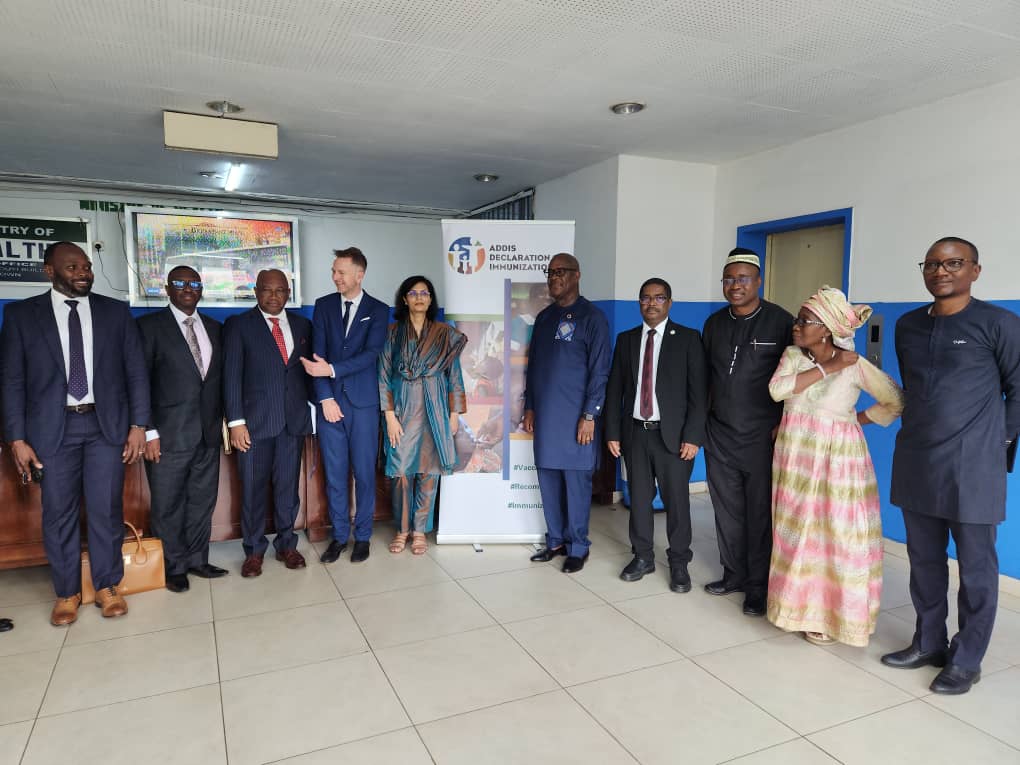
Addis Ababa, Ethiopia – From 24-30 April 2024, the African continent commenced the commemoration of the African Vaccination Week (AVW), which brings yearly celebrations the last week of April.
This year’s commemoration coincides with the celebration of 50 years of the Expanded Programme on Immunization (EPI), marking collective efforts to save and improve countless lives from vaccine-preventable diseases. It calls on countries to increase investments in immunization programs to protect future generations. There has been significant progress across the continent with increased vaccination rates and reduced child mortality, enabling every vaccinated child to survive and thrive.
This year’s Africa Vaccination Week creates an opportunity to raise awareness of the importance of vaccines and promote vaccination across the life course, reducing mortality due to vaccine-preventable diseases. The theme for this year, “Humanly Possible: Saving Lives Through Immunization”, highlights the need to intensify efforts to save lives through immunization. This can be done through routine immunization programmes and catch-up vaccination campaigns in the continent.
To scale up and bring the continent back on track to achieve Agenda 2063 and SDG2030 goals, heightened political commitment and multi-stakeholder collaboration to reach underserved communities is urgent. In 2016, the Heads of State and Governments of African Union Member States endorsed the Addis Ababa Declaration on Immunization (Assembly/AU/Dec.624 (XXVIII), prioritizing access to safe and effective vaccines. Subsequently, in 2017, The African Union Heads of State and Government called on Member States to mount strong advocacy campaigns to achieve the goals of the Global Vaccine Action Plan and improve overall healthcare delivery systems.
Increased investments in primary health care will bring services closer to communities, making it easier to reach the marginalized. Investing in human resources for health, surveillance and improvements in health information systems is also critical. Multi-stakeholder collaborations to deal with misinformation and build
and sustain community demand while addressing gender barriers will increase coverage, prevent diseases, and save lives.
The African Union Commission, Africa CDC, GAVI, the Vaccine Alliance, UNICEF, and WHO applaud efforts by African Member States in promoting access to vaccination at various levels of care and continue to encourage scaling up routine immunization services on the continent.
The African Union and the aforementioned partners will continue to support the Member States in raising awareness of the importance of vaccines and immunization and call on other stakeholders to continue supporting and prioritizing vaccination in Member States. It is critical to work collaboratively with Member States, partners, stakeholders, donors, and other entities to ensure that vaccination programs are adequately financed and resourced in all countries. And promote innovative initiatives that enhance access to and support for vaccines, thereby contributing to the overall goal of saving lives through immunization.
This year the African Union Commission, Africa CDC, GAVI, the Vaccine Alliance, UNICEF and WHO want to reiterate the importance of immunization and the achievements of yearly Vaccination Week in raising awareness about immunization and encouraging participation while jointly holding a high-level event in commemoration of the achievements of AU Member States in immunization linking it to the 50th anniversary of the Expanded Programme on Immunization (EPI) in 2024 and launch an African progress report on the 10 commitments of the Addis Ababa Declaration on Immunization. Social media campaigns towards the year will also be aimed at raising awareness about immunization and encouraging participation.
These activities will:
- Raise awareness about the importance of immunization in saving lives and achieving health goals.
- Emphasize the commitment of African Member States to prioritize immunization and ensure adequate resources for vaccination programs.
- Highlight the achievements and challenges in immunization over the past 50 years and the way forward.
- Promote collaboration and partnerships for advancing immunization efforts across Africa.